
Heat pump installation Washington Township MI homeowners can rely on starts with the home—not a one-size-fits-all equipment quote. Cooley Mechanical evaluates capacity, ductwork, electrical needs, controls, backup heat, low-temperature performance, and comfort goals before recommending a ducted, ductless, cold-climate, or dual-fuel system.
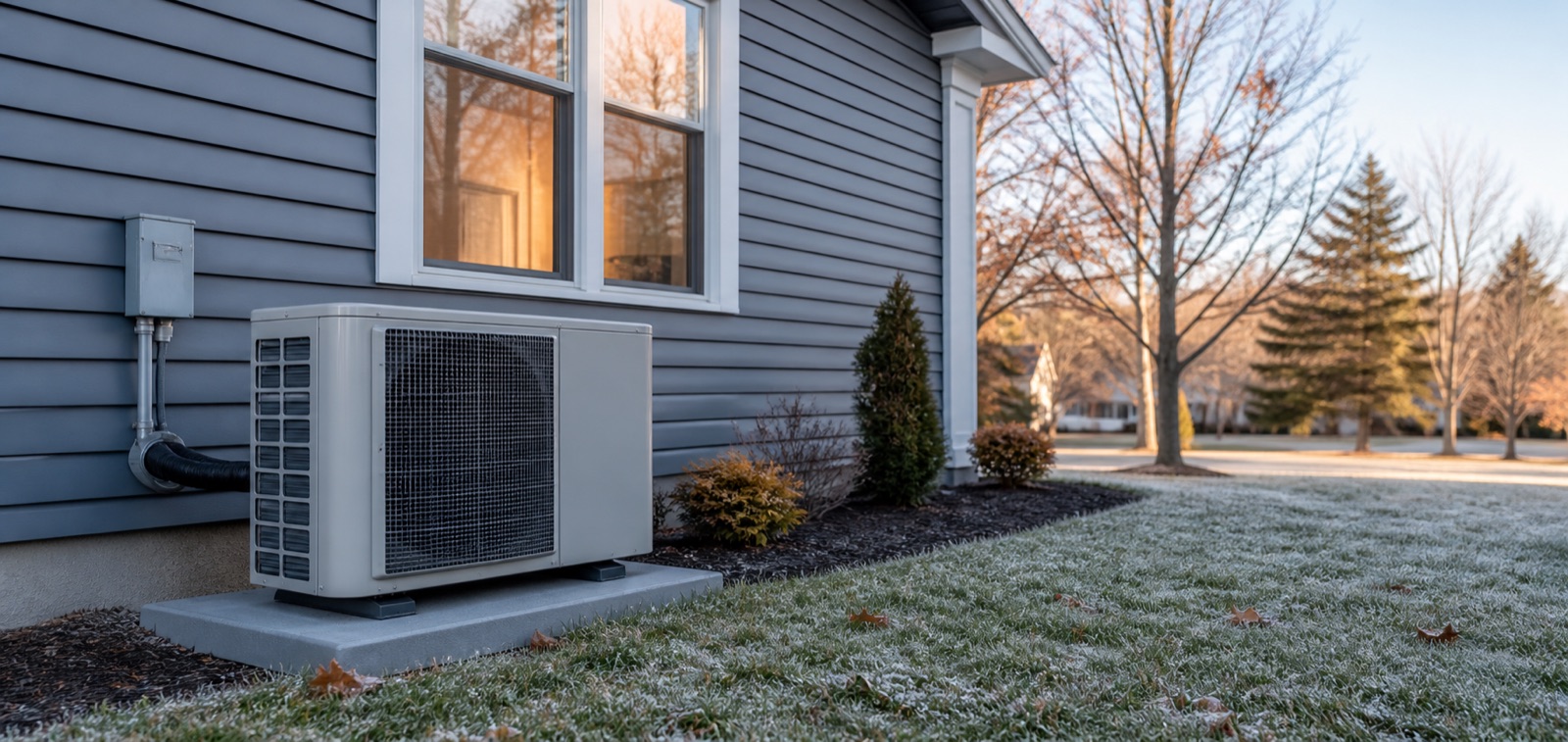
Heat-pump configurations for different homes
Ducted heat pumps
A central heat pump can use existing ductwork when the distribution system can carry the required airflow. It may pair with an air handler, electric auxiliary heat, or a compatible gas furnace.
Cold-climate heat pumps
Cold-climate models are designed to retain more heating capacity at lower outdoor temperatures. Performance must be checked using the exact matched-system data rather than a broad product-family claim.
Dual-fuel systems
A dual-fuel setup combines a heat pump with a gas furnace. Controls choose the heat source according to the equipment design, operating strategy, outdoor conditions, utility costs, and homeowner preferences.
Ductless mini-splits
Ductless systems can serve additions, workshops, finished upper levels, or rooms where conventional duct installation is impractical. Multi-zone designs require thoughtful capacity and piping decisions for each space.
Heat Pump Installation Washington Township MI: What We Evaluate
A useful proposal should account for the complete system. Cooley Mechanical considers heating and cooling loads, equipment capacity at design temperatures, duct and return-air capability, electrical service, outdoor-unit placement, snow and drainage, refrigerant-line routing, condensate disposal, sound, thermostat compatibility, defrost operation, backup heat, and service access.
Existing ducts should be evaluated before connecting new equipment. Restricted return air or undersized distribution can create noise, comfort problems, high static pressure, and reduced performance. If airflow needs correction, review our air-duct installation and repair services.
Heat pumps and Michigan winter performance
The question is not simply whether heat pumps work in Michigan. The right questions are how much heat the selected system delivers as the outdoor temperature falls, how backup heat is provided, what controls manage the changeover, and how the design fits the home.
Some properties can support an all-electric approach. Others benefit from a dual-fuel design that coordinates a heat pump with a furnace. Homeowners comparing those paths can also review our furnace replacement guide. The ENERGY STAR air-source heat-pump guidance provides additional consumer information about efficiency and cold-climate considerations.
Heat-pump cost, incentives, and financing
Installed cost varies with equipment type, capacity, efficiency, electrical work, duct changes, controls, line-set requirements, indoor-unit count, backup heat, and site conditions. A low equipment price can become an expensive outcome if the design ignores airflow, electrical capacity, or cold-weather performance.
Available rebates and tax rules can change, so eligibility should be confirmed using current program requirements and matched equipment certificates before purchase. For qualifying projects, homeowners may also review Service Finance and Synchrony financing options. Credit approval and program terms apply.
Why choose Cooley Mechanical for heat-pump planning?
- Local understanding of Southeast Michigan heating and cooling conditions
- Experience with conventional, ductless, and dual-fuel comfort strategies
- Whole-system attention to sizing, airflow, electrical needs, controls, and backup heat
- Clear comparison of repair, replacement, and equipment tradeoffs
- One local company for heating, cooling, ductwork, and ongoing service
For conventional cooling concerns, visit our AC repair and installation page. For the full local service menu, return to the Washington Township HVAC service hub.
Heat-pump installation questions
Can a heat pump heat a Michigan home all winter?
Some properly selected systems can provide primary heating through winter, but the answer depends on the home, design load, exact low-temperature capacity, electrical service, backup strategy, and homeowner expectations.
Is dual fuel better than an all-electric heat pump?
Neither approach is universally better. Dual fuel can be a practical fit where a compatible furnace and gas service are available. All-electric designs may fit other homes and goals. The decision should follow load, equipment, utility, and comfort analysis.
Do I need new ductwork?
Not always. Existing ducts may be usable if they are appropriately sized, sealed, supported, and capable of carrying the required airflow. Restrictions or poor return-air design should be addressed during planning.
Can I finance a heat-pump installation?
Service Finance and Synchrony options may be available for qualifying customers. See our HVAC financing page for current application information.
Plan Heat Pump Installation Washington Township MI Homeowners Can Trust
Tell Cooley Mechanical about the home, existing equipment, comfort problems, energy goals, and whether you are considering ducted, ductless, all-electric, or dual-fuel operation.
Ready to Plan a Heat Pump Installation?
Book an appointment online or call Cooley Mechanical to discuss comfort goals, equipment options, and a properly scoped installation for your home.