Protect Your Home With a Properly Functioning Chimney Liner
A chimney liner is one of the most important safety components in your venting system. It helps move smoke, gases, heat, and combustion byproducts out of your home while protecting the chimney structure from corrosion and heat damage. When a liner begins to fail, the risks can include poor appliance performance, moisture damage, masonry deterioration, and dangerous gas leaks.
If you are wondering how long a chimney liner lasts, the answer depends on the liner material, appliance type, maintenance history, moisture exposure, and how often the chimney is used. A properly installed liner can last for many years, but no liner lasts forever. Regular chimney liner inspection is the best way to understand the condition of your system before small problems become expensive repairs.
Whether you need a furnace liner, a water heater chimney liner, or a liner for a fireplace or stove, professional evaluation can help you choose the safest and most cost-effective solution.
Why the Chimney Liner Matters
Your chimney liner does more than guide exhaust up and out of the house. It helps create the proper draft needed for safe venting and shields the chimney walls from acidic condensation, heat, and combustion residue.
A damaged or incorrectly sized liner may cause:
- Carbon monoxide concerns
- Backdrafting or poor appliance venting
- Rust, corrosion, or flaking inside the flue
- Moisture damage in the chimney
- Reduced furnace or water heater efficiency
- Smoke, odor, or soot entering the home
- Premature chimney deterioration
Modern heating appliances often require venting systems that are correctly sized and compatible with their fuel type and output. This is especially important when replacing older equipment or upgrading to a newer furnace or water heater.
How Long Does a Chimney Liner Usually Last?
The lifespan of a chimney liner varies by material and conditions. Clay tile liners can last for decades when they remain intact, but they may crack from age, moisture, settlement, or repeated heat stress. Metal liners, especially stainless steel systems, are commonly used for relining because they can be matched to specific appliances and flue requirements.
Several factors affect liner lifespan:
- Material quality and installation method
- Fuel type, such as gas, oil, wood, or pellet
- Moisture exposure and condensation levels
- Chimney cap and flashing condition
- Frequency of use
- Cleaning and maintenance history
- Appliance efficiency and vent temperature
- Local climate and freeze-thaw cycles
A liner connected to a gas furnace or water heater may face different conditions than a liner used for a wood-burning fireplace. Gas appliances can create acidic condensation, especially if the flue is oversized or the chimney is cold. Wood-burning systems create creosote and higher heat exposure. Both require proper inspection and maintenance.
Warning Signs Your Chimney Liner May Need Replacement
A failing chimney liner is not always visible from inside the home. However, there are several warning signs that should prompt a professional chimney liner inspection.
Look for these symptoms:
- Pieces of clay tile or debris found in the fireplace or cleanout
- Rust on the damper, firebox, connector pipe, or appliance vent
- White staining, damp spots, or moisture around the chimney
- Strong smoky, musty, or acidic odors
- Smoke backing into the living space
- Furnace or water heater draft problems
- Soot buildup around appliance connections
- Carbon monoxide detector alerts
- Visible cracks, gaps, or deterioration in the flue
- Recent appliance replacement without venting evaluation
If you notice any of these issues, avoid assuming the problem is minor. A liner defect can affect the entire venting system, including connected heating appliances.
Professional Chimney Liner Inspection
A chimney liner inspection gives you a clear view of what is happening inside the flue. Because many liner problems occur above eye level or deep inside the chimney, a visual check from the fireplace opening is not enough.
A professional inspection may include:
- Review of the fireplace, stove, furnace, or water heater connections
- Evaluation of the chimney crown, cap, flashing, and exterior masonry
- Camera inspection of the flue interior
- Identification of cracks, gaps, corrosion, blockages, or misalignment
- Draft and venting assessment when appliances are connected
- Recommendations for repair, relining, or replacement
A chimney liner inspection is especially important if you are buying a home, changing heating equipment, noticing moisture problems, or using a chimney that has not been serviced in several years.
Furnace Liner Considerations
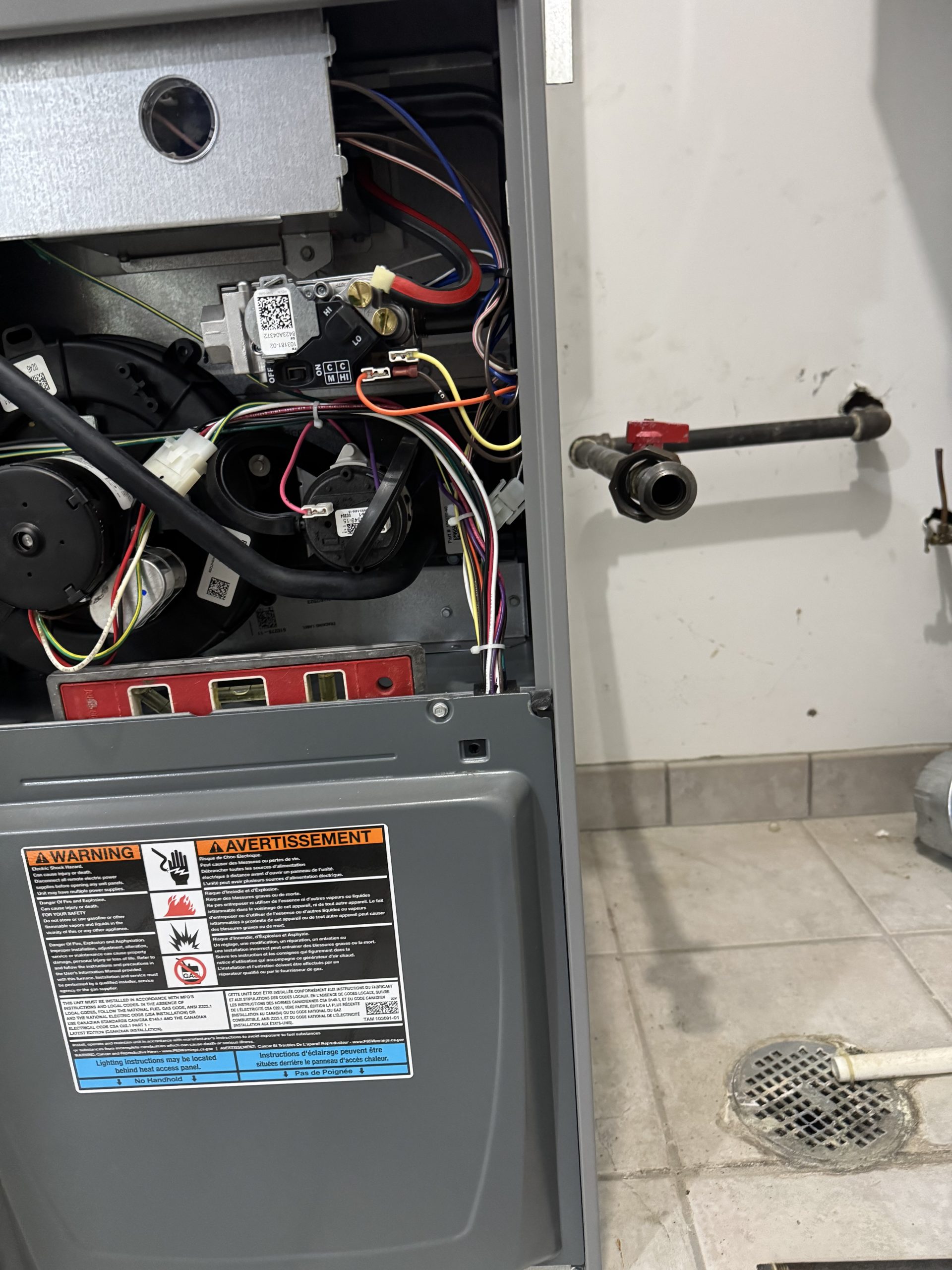
A furnace liner must be properly sized and compatible with the furnace it serves. When a new furnace is installed, the original masonry flue may no longer be suitable. High-efficiency or mid-efficiency equipment can change exhaust temperature, moisture production, and draft behavior.
An oversized flue may cool exhaust gases too quickly. This can lead to condensation inside the chimney, which may cause corrosion, staining, and liner breakdown. A correctly installed furnace liner helps maintain safer venting and can protect the chimney from acidic moisture.
Important furnace liner considerations include:
- Furnace fuel type and venting requirements
- BTU output and appliance efficiency
- Shared venting with a water heater
- Existing chimney size and condition
- Connector pipe condition
- Local code and manufacturer requirements
If your furnace has been replaced recently and the chimney was not evaluated, scheduling an inspection is a smart next step.
Water Heater Chimney Liner Considerations
A water heater chimney liner is often needed when a gas water heater vents into a masonry chimney. Like a furnace, a water heater must be connected to a flue that provides reliable draft and resists condensation damage.
Problems can occur when a water heater vents alone into a chimney that was originally sized for multiple appliances. If the furnace is upgraded to direct venting and the water heater remains connected to the masonry chimney, the remaining flue may be too large for the smaller appliance. This can cause weak draft and moisture buildup.
A properly selected water heater chimney liner may help with:
- Safer exhaust venting
- Reduced condensation inside the chimney
- Better draft performance
- Protection against masonry damage
- Compatibility with appliance specifications
Because gas appliance venting involves safety concerns, liner sizing should be handled by a qualified professional rather than guessed.
Chimney Liner Replacement Cost: What Affects the Price?
Chimney liner replacement cost can vary widely because every home and venting system is different. Instead of relying on a single flat number, it is better to understand the factors that shape the final estimate.
Common cost factors include:
- Chimney height and roof access
- Liner material and diameter
- Whether the liner serves a fireplace, furnace, stove, or water heater
- Condition of the existing flue
- Need for insulation around the liner
- Removal or preparation of damaged tile liners
- Number of appliances being connected
- Required fittings, caps, connectors, and termination components
- Local labor rates and permit requirements
In many cases, a basic stainless steel relining project may fall within a moderate home improvement range, while taller chimneys, difficult access, insulation, or complex appliance connections can increase the cost. The most accurate way to estimate chimney liner replacement cost is to schedule an on-site inspection and receive a written recommendation based on your actual system.
Repair or Replace: Which Option Is Right?
Some liner issues may be repairable, while others require replacement. The right option depends on the type of liner, extent of damage, appliance requirements, and safety concerns.
Replacement is often recommended when:
- Clay tiles are cracked, missing, or severely deteriorated
- The flue is too large or too small for the appliance
- Corrosion has weakened a metal liner
- The chimney has recurring moisture or draft problems
- A new furnace or water heater requires a different venting setup
- Inspection reveals gaps that could allow gases into surrounding spaces
A professional should explain the condition of the existing liner, available options, and why a specific solution is recommended.
Benefits of Replacing a Failing Chimney Liner
A new liner is not just a repair. It is an investment in safer, more reliable home venting.
Key benefits may include:
- Improved protection against carbon monoxide hazards
- Better draft and exhaust flow
- Reduced moisture and corrosion inside the chimney
- Compatibility with current heating appliances
- Longer chimney service life
- Increased confidence when using fireplaces or fuel-burning equipment
- Support for home sale, insurance, or inspection requirements
When properly installed, a new liner helps the chimney do its job safely and efficiently.
Schedule a Chimney Liner Evaluation
If your chimney liner is aging, damaged, or connected to updated heating equipment, now is the right time to have it checked. A professional chimney liner inspection can identify hidden problems and help you decide whether cleaning, repair, or replacement is the best next step.
Request an inspection today to get clear answers about your chimney, furnace liner, or water heater chimney liner needs. You will receive practical guidance, cost factors to consider, and a recommendation based on the condition of your home’s venting system.
Connect Chimney-Liner Condition to Furnace Safety
Do not operate a fuel-burning appliance when you suspect blocked, damaged, leaking, or improperly sized venting. Review our Michigan furnace safety guide, furnace repair information, and replacement planning guide. For an equipment-specific assessment, contact Cooley Mechanical.
If a qualifying furnace replacement becomes part of the project, Service Finance and Synchrony financing options may be available subject to approval and current terms.
One Response